Get Tree Canopy Thinning
Tree Canopy Thinning services help property owners improve safety, reduce excess shade, and manage tree health through projects handled by experienced local contractors.
Tree canopy thinning services can be an important part of maintaining a healthy and well-managed landscape. Property owners in the area may consider this work to improve sunlight exposure, reduce wind resistance, or promote better airflow around their trees. Whether planning a landscaping project or seeking to address specific concerns, exploring local contractors who specialize in canopy thinning can help ensure the right approach for your property.
By comparing options from nearby service providers, property owners can find solutions tailored to their needs and preferences. Local contractors often have experience working with trees in the area’s climate and landscape conditions, making it easier to find a professional suited to your project. Keep reading to learn more about how tree canopy thinning services can support your property’s health and appearance.
- Tree Canopy Thinning - when overgrown branches threaten to block sunlight or cause safety concerns.
- Tree Canopy Thinning - to improve air circulation and reduce the risk of disease in dense foliage.
- Tree Canopy Thinning - when managing tree size to prevent interference with power lines or structures.
- Tree Canopy Thinning - to promote healthy growth and maintain the overall health of mature trees.
- Tree Canopy Thinning - for property owners seeking to enhance landscape visibility and aesthetic appeal.
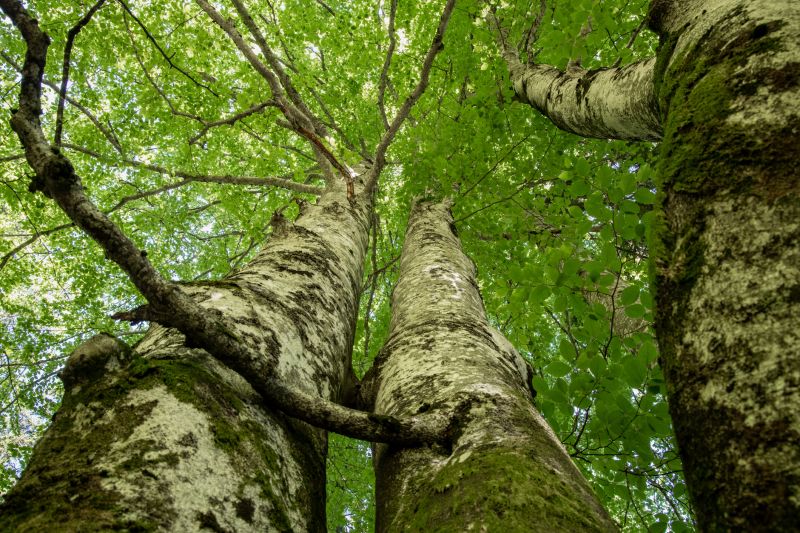
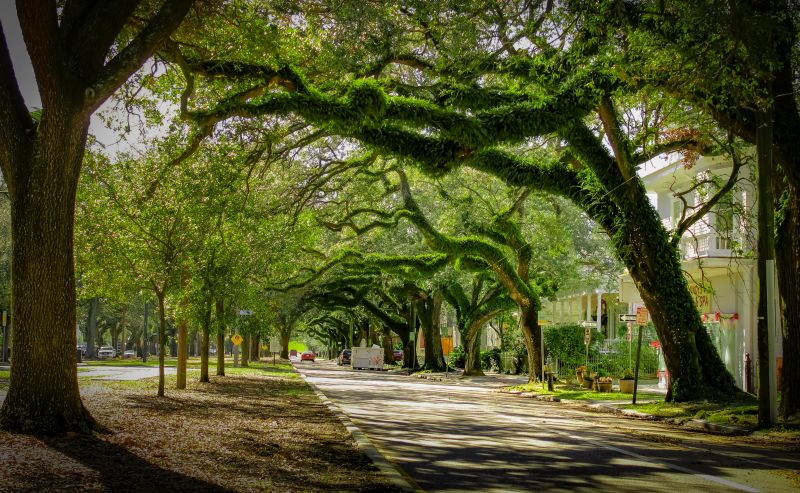
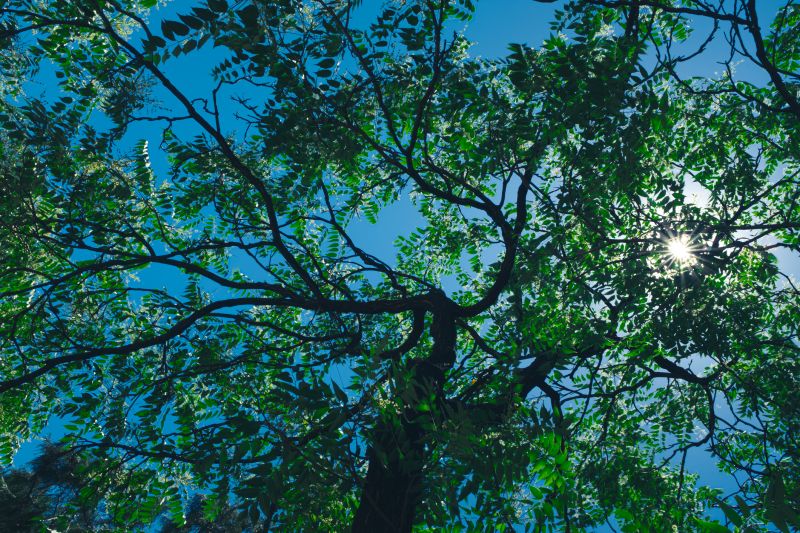
Tree canopy thinning services involve carefully reducing the density of branches and foliage in a tree's upper layers. This process is performed to improve the overall health of the tree, enhance its structure, and prevent issues caused by overgrown or crowded canopies. By selectively removing certain limbs, experienced contractors can help ensure that sunlight reaches the lower parts of the tree and nearby plants, while also reducing the weight and stress on the tree’s structure. Proper canopy thinning can promote better airflow and reduce the risk of limb breakage during storms or high winds.
Overgrown or dense tree canopies can lead to several problems for property owners. Excessive foliage can block sunlight, making outdoor spaces less inviting and impacting the growth of grass and garden plants. Thick canopies may also trap moisture, encouraging fungal growth and disease in the tree. Additionally, heavy or tangled branches can pose safety hazards, especially during storms when weakened limbs might fall. Tree canopy thinning helps address these issues by creating a more balanced and manageable tree structure, reducing potential hazards and promoting healthier growth.
Properties that typically benefit from canopy thinning include residential yards, commercial properties, and public parks. Homes with trees that have become too dense often seek thinning to improve safety and aesthetics. Commercial properties, such as shopping centers or office complexes, may use canopy thinning to ensure clear sightlines and safe pedestrian pathways. Public parks and community spaces also utilize this service to maintain healthy, attractive trees that enhance the environment without obstructing views or pathways. This service is especially useful for mature trees that have grown too thick over time and need professional management.
Homeowners who notice their trees blocking sunlight, dropping excessive debris, or showing signs of structural stress might consider tree canopy thinning. It is also a practical solution for trees with diseased or damaged branches that need removal to prevent further issues. By working with local contractors, property owners can find professionals experienced in safely and effectively performing canopy thinning. This service helps maintain the beauty, health, and safety of trees, ensuring they continue to be an asset to the property rather than a concern.
The overview below groups typical Tree Canopy Thinning projects into broad ranges so you can see how smaller, mid-sized, and larger jobs often compare in your area.
In many markets, a large share of routine jobs stays in the lower and middle ranges, while only a smaller percentage of projects moves into the highest bands when the work is more complex or site conditions are harder than average.
Smaller Repairs - Typically, local contractors charge between $250 and $600 for routine thinning jobs on small to medium-sized trees. Many projects in this range are straightforward and involve minimal equipment or time. Larger or more complex jobs can exceed this range but are less common.
Standard Thinning Services - For most typical tree canopy thinning, costs generally fall between $600 and $1,500. This range covers many standard projects where the scope is moderate and equipment needs are average. Fewer jobs reach into the higher end of this spectrum.
Large or Complex Projects - Larger, more involved thinning jobs can range from $1,500 to $3,500 or more, especially for mature or multiple trees. These projects often require specialized equipment and additional planning, making them less frequent but more costly.
Full Canopy Management - Complete canopy thinning or significant tree work may cost $3,500 to $5,000+ depending on the size and number of trees involved. Such projects are less common and typically involve extensive planning and labor by local service providers.
Actual totals will depend on details like access to the work area, the scope of the project, and the materials selected, so use these as general starting points rather than exact figures.
Tree Pruning Services - local contractors who specialize in shaping and removing branches to promote healthy growth are well-versed in canopy management techniques similar to thinning.
Urban Forestry Management - professionals managing city trees and green spaces often perform canopy assessments and thinning to improve tree health and safety.
Storm Damage Tree Removal - experts removing fallen or damaged trees utilize similar planning and equipment skills required for thinning dense canopies.
Selective Tree Removal - service providers experienced in removing specific trees or branches apply similar techniques used in targeted canopy thinning projects.
Tree Health Assessments - arborists conducting evaluations of tree vitality often recommend thinning strategies as part of overall health maintenance plans.
Landscape Tree Planting - professionals involved in planting mature trees understand canopy structure and can advise on thinning to ensure proper growth and safety.
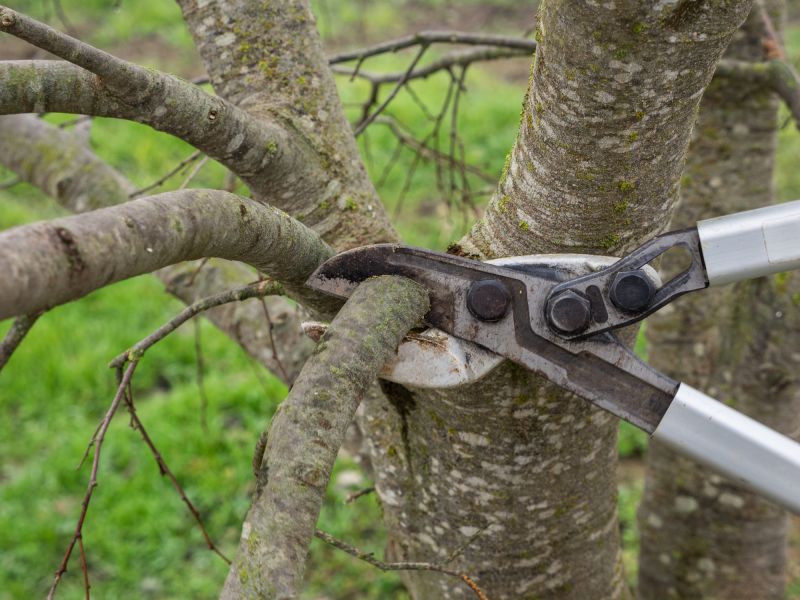
When evaluating service providers for Tree Canopy Thinning, it is important to consider their experience with similar projects. Homeowners should seek out local contractors who have a proven track record in managing tree canopy thinning or related tree care services. An experienced professional will understand the nuances of different tree species and site conditions, helping to ensure that the work is performed correctly and safely. Asking about previous projects or requesting examples of completed work can provide insight into their familiarity with the specific requirements of canopy thinning.
Clear written expectations are essential for a successful project. Homeowners should look for service providers who can provide detailed descriptions of the scope of work, including what will be done, how it will be approached, and any potential limitations. Having a clear understanding of the process helps prevent misunderstandings and ensures that all parties are aligned on the goals of the project. Good communication from the outset also indicates that the contractor values transparency and is committed to keeping the homeowner informed throughout the process.
Reputable references and strong communication skills are key indicators of a reliable local contractor. Homeowners are encouraged to ask for references from previous clients who had similar work completed. Contacting these references can reveal insights into the contractor's professionalism, quality of work, and ability to meet expectations. Additionally, service providers who are responsive and open to questions demonstrate a level of professionalism that can contribute to a smoother project experience. It is worth noting that this site introduces homeowners to local options for tree canopy thinning services, helping to connect them with qualified professionals rather than performing the work directly.
Property owners use Tree Canopy Thinning services for practical projects around their homes and businesses. This guide focuses on everyday jobs and straightforward project options.
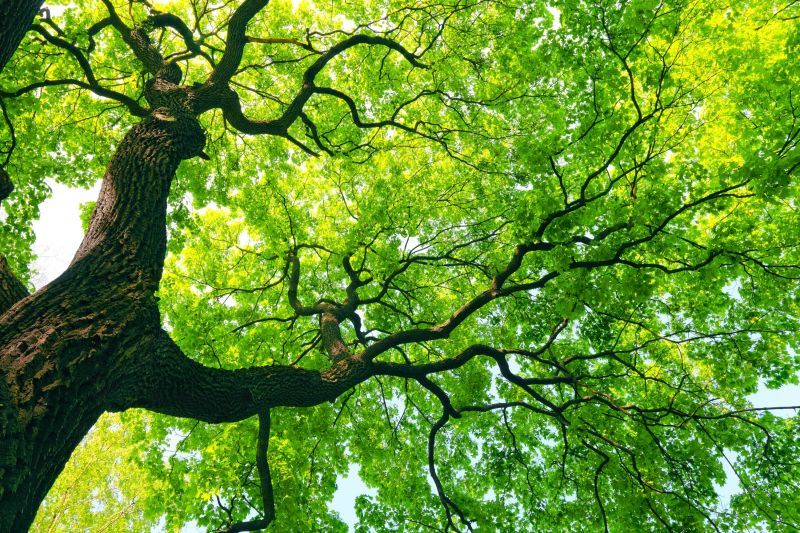
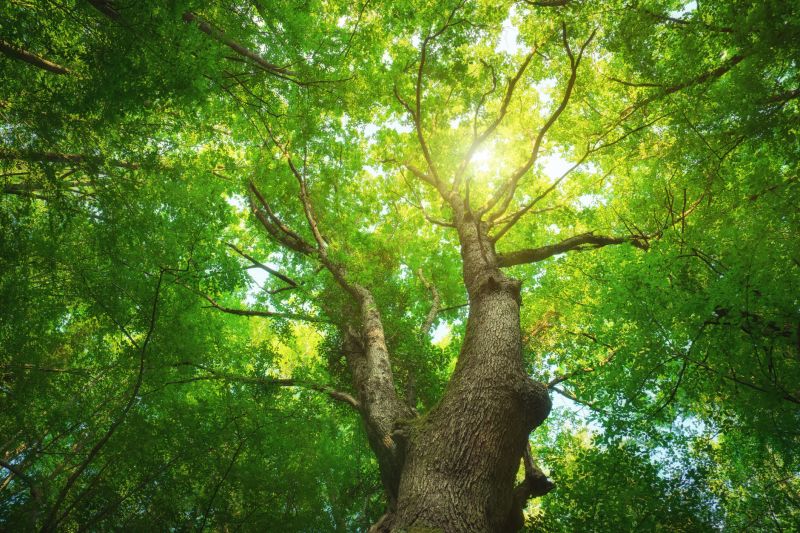
Tree canopy thinning services are often sought after by property owners dealing with overgrown or dense trees that block sunlight or views. In many cases, homeowners or business owners notice branches becoming too thick or heavy, which can lead to concerns about safety or potential damage during storms. Local contractors can provide the expertise needed to carefully reduce tree density, helping to improve the health of the trees and enhance the overall appearance of the property.
Additionally, property owners might look for canopy thinning when managing tree health or preventing future issues. Overgrown canopies can hinder air circulation and increase the risk of disease or pest problems. Local service providers can assess the situation and perform thinning work to promote better growth and longevity of the trees, making sure the landscape remains safe and attractive.
What is tree canopy thinning? Tree canopy thinning involves selectively removing branches to reduce the density of a tree's upper foliage, improving air circulation and light penetration.
Why might someone need tree canopy thinning? This service can help prevent overgrown branches from interfering with structures, improve tree health, or reduce the risk of branch failure during storms.
How do local contractors perform canopy thinning? Professionals assess the tree's structure and carefully prune branches to achieve desired thinning while maintaining the tree's stability and health.
Is tree canopy thinning suitable for all types of trees? Not all trees require thinning; a local service provider can evaluate whether thinning is appropriate based on the tree species and condition.
What are the benefits of hiring local pros for canopy thinning? Local contractors have experience with regional tree species and conditions, ensuring the work is performed safely and effectively.
Improve sunlight access - Thinning tree canopies can help increase natural light in outdoor living spaces and gardens.
Enhance safety around property - Removing overgrown branches reduces the risk of falling debris or obstructions in pathways.
Support healthy tree growth - Proper thinning encourages better airflow and reduces stress on trees, promoting overall health.
Maintain landscape aesthetics - Tree canopy thinning can help preserve a balanced and attractive view of the property.
If you are thinking about Tree Canopy Thinning for a property, this guide is meant to help you understand the work, the typical project types, and how different options might fit your plans.
When you are ready, you can use the quote form on this page to share a few details about your project. From there, local pros can review the basics and respond with options that match what you have in mind.